

Funding
The European and Developing Countries Clinical Trials Partnership (EDCTP) is a public-public partnership between countries in Europe and sub-Saharan Africa, supported by the European Union, which aims to support international collaborative research and accelerate the development of new clinical interventions to prevent or treat poverty-related infectious diseases in sub-Saharan Africa. These includes HIV, tuberculosis, malaria, neglected, emerging and re-emerging infectious diseases and antimicrobial resistance.
The European Union’s EDCTP3 global health program, in partnership with African countries, has selected the IMPRIMA project (101103213) to implement SLDPQ. This project is an important step in the fight against malaria.
Consortium
In 2012, the WHO recommended adding single low dose primaquine (target dose 0.25 mg/kg) to block malaria transmission. The lack of suitable formulations and evidenced-based dosing regimens to implement this recommendation has given rise to research projects dedicated to fill this gap.
Accordingly, the Developing Paediatric Primaquine (DPP) and Implementing Primaquine in Africa (IMPRIMA) consortia were crated and received EDCTP funding. These projects, which are committed to the fight against malaria, have been forged like-minded partners.
The IMPRIMA consortium sees itself as a forerunner in building bridges between academic research and the socio-medical, political and economic spheres in order to effectively influence drug policy. In the field of research, professions and innovations are interdependent; the intellectual output of university centres and research institutes feeds closely into advances in the world of healthcare professionals. The ecosystems created between professions and regions will enable university engineers to work effectively with healthcare professionals in the field.
CNARP
Founded in 1976, the Centre National d’Application de Recherches Pharmaceutiques (CNARP) is one of nine National Research Centres under the supervision of Madagascar’s Ministry of Higher Education and Scientific Research. The institution currently has 86 employees, including 25 researchers.
The CNARP’s mission is to support the development and implementation of national scientific and technical research policy by focusing on defining, guiding, promoting and coordinating research into any product with therapeutic properties.
The centre is structured into six standard research departments, making it a benchmark in the pharmaceutical production chain. These are the extraction and chemistry, pharmacodynamics, clinical experimentation, galenics and production departments. The role of the clinical experimentation department is clinical and human health research. As such, the team in this department is one of the members of the IMPRIMA project consortium and provides leadership for WP3, the social component of the project.
GRAS
The Groupe de Recherche Action en Santé (GRAS) is a private institute based in Burkina Faso, active in the field of health research since 2008. GRAS has a multidisciplinary scientific staff with recognised expertise in clinical trials. Over the past decade, GRAS has conducted more than 25 clinical trials, including vaccine studies in malaria, pneumococcal disease, Ebola and typhoid fever. GRAS is currently a member of several global consortia working to develop new treatments or vaccines against these diseases. It benefits from the support of several national and international technical and financial partners, such as EDCTP. The institution is under the supervision of the Ministry of Higher Education, Scientific Research and Innovation (MESRSI).
INSP
Burundi’s National Institute of Public Health (INSP) is under the supervision of the Ministry of Health and began its activities in 1999. Initially, the INSP consisted only of the Training Department and the Administrative and Financial Department. In 2002, the Laboratories Department opened its doors to serve as the National Public Health Reference Laboratory. In addition to biological analyses, the laboratory carries out quality control of medicines and water. In 2006, the INSP was expanded to include a Research and Epidemiology Department, in order to fulfil the three missions set out in the founding decree :
- Initial training, further training and specialisation in public health
- Promoting and carrying out applied public health research
- Carrying out medical biology analyses and quality control of medicines, water, food and the environment.
The INSP’s mission is to give the entire Burundian population, especially the most vulnerable, access to quality preventive, curative and promotional care based on choices informed by scientific evidence. Fully committed to the fight against malaria and to the IMPRIMA project, the INSP is also involved in clinical research and in training healthcare staff.

ReMeD
ReMeD, Réseau Médicaments & Développement, is a French NGO set up nearly 30 years ago by humanitarian pharmacists to improve the availability, access, quality and use of medicines in developing countries. To achieve this, ReMeD deploys networks to facilitate the exchange of information, training and awareness-raising. Its missions are based on the principles of knowledge and transmission in order to :
- Gather and share information between public health players in countries in the North and South
- Alert, raise awareness and question public authorities and civil society
- Promote pharmaceutical expertise in the field.
Its vast international network of pharmaceutical professionals is based mainly in French-speaking African countries, and its members include experts from pharmaceutical councils, health departments, hospital pharmacist networks and the West African Economic and Monetary Union (WAEMU).
University of Leiden
Leiden Law School is the oldest law faculty in the Netherlands, renowned for its excellence in legal research, and its strong focus on global challenges and interdisciplinary collaboration. The African Studies Centre Leiden (ASCL) is the oldest multidisciplinary research centre focused on the African continent in the Netherlands. The Leiden University Network for Health in Africa (LUNHA) Hub, founded in 2022, brings together Leiden Law School, the ACSL and Leiden University Medical Centre (LUMC), serving as a bridge between disciplines and leveraging a wide range of academic expertise to address urgent public health challenges and planetary crises on the African continent. As a consortium partner in the IMPRIMA project, the LUNHA Hub contributes its expertise in international law, public health and global health governance, supporting IMPRIMA country partners in their advocacy and policy development.


University of Oxford
The University of Oxford (United Kingdom) is internationally recognised for excellence in research. It is organised into four academic divisions, which include departments, faculties and other centres.
Under the Division of Medical Sciences, the Nuffield Department of Clinical Medicine (NDM) is a major research and teaching department whose mission is to transform scientific discoveries into clinical impact. The Centre for Tropical Medicine and Global Health brings together research groups based in Asia and Africa and at two Oxford sites. Their research ranges from clinical studies to behavioural sciences; skills development is an integral part of all their activities. Like the other units in the Wellcome Trust’s Asia and Africa Programmes, the Mahidol and Oxford Universities Research Unit Tropical Health Network (MORU) based in Thailand conducts world-renowned research into tropical diseases. Established in 1979 by researchers at Mahidol University in Bangkok, the unit conducts targeted clinical public health research to discover and develop appropriate, practical and accessible interventions that improve the health of people living in resource-limited countries.
University of Strasbourg
The University of Strasbourg is a French multidisciplinary research university located in Strasbourg (Alsace), with 35 faculties and 71 laboratories (research units) in five major fields of study (Arts, Humanities, Languages/Law, Economics, Management and Political Science/Human and Social Sciences/Sciences, Technology/Health).
Health and Social Sciences are jointly involved in the IMPRIMA project via the Faculty of Medicine and its Bacteriology and Parasitology Institutes, which are home to Research Unit 3073, dedicated to the study of Arthropod host pathogens and vector interactions. It is within this unit that the Malaria Genetics and Resistance Team (MEGATEAM) conducts cross-disciplinary research studies, from fundamental to applied aspects, in order to develop and deploy new tools to minimise the impact of malaria in Africa, monitor the evolution of Plasmodium falciparum resistance to antimalarial drugs and understand human-parasite interactions.
Within the Faculty of Social Sciences, the Institute of Ethnology and the Interdisciplinary Laboratory in Cultural Studies (LinCS UMR 7069) are carrying out the socio-anthropological study among populations involved in the fight against malaria in southern countries.
Other partners

ClinSearch
ClinSearch is a Clinical Research Organisation, founded in 1999, that provides clinical research and market access services for medical devices, the pharmaceutical industry, and public research organisations. ClinSearch also invests in R&D programmes specifically in patient-centred care with the development of innovative assessments and predictive tools. In this context, Fabrice Ruiz, CEO, and Thibault Vallet, Research scientist, have developed the ClinSearch Acceptability Score Test® (CAST®), a standardised method to assess medicine acceptability in vulnerable populations that has been recognised by the WHO. This decision support tool facilitates the identification of medicine formulation characteristics that best fit a targeted population. CAST® will be used as the tool for assessing acceptability in the DPP field trials.

IPCA Laboratories Limited
Founded in 1949 as the Indian Pharmaceutical Combine Association Limited, IPCA is now a fully integrated pharmaceutical company based in Mumbai, India, with a global presence in 100 countries.
With its 17 manufacturing facilities in India, IPCA produce some 80 Active Pharmaceutical Ingredients (APIs) and more than 350 Finished Pharmaceutical Products (FPPs) for the international market, including key antimalarial drugs that have been prequalified by the WHO.
IPCA has received approval from several stringent regulatory authorities like the US-FDA, UK-MHRA, EDQM-Europe, and the Australian Therapeutic Goods Administration as well as the WHO, the South African Medicines Control Council and the Brazilian National Health Vigilance Agency (ANVISA).
In the DPP project, IPCA will produce generic primaquine and its line extension, across a range of tablet strengths from 2.5 to 15 mg with a basic coating, for the bioequivalence and field studies. They will also produce flavoured tablets so their acceptability can be assessed in malaria patients. IPCA will lead on the preparation of the dossier for WHO prequalification and will work with the field teams to enhance their regulatory knowledge and experience.
The team

Alphonse Ouédraogo
GRAS
Dr Alphonse Ouédraogo (ORCID 0000-0002-3520-6637) is a physician working in malaria research for over 15 years. Working with the Groupe de Recherche Action en Santé (GRAS), Alphonse has co-authored more than 60 articles in peer-reviewed journals. He has conducted numerous phase I to IV clinical trials in malaria research, leading a team of clinical researchers. His current research focuses on malaria prevention (trials of candidate malaria vaccines and epidemiological studies to better understand the dynamics of malaria transmission), the discovery of antimalarial drugs, and studies of the pharmacokinetics and pharmacodynamics of antimalarial drugs.

Antsa Nomenjanahary Rakotondrandriana
CNARP
Nomenjanahary Rakotondrandriana Antsa (ORCID 0000-0002-6890-9152) is a doctorv specialising in public health. She is particularly interested in clinical research and epidemiology and works in the Clinical Trials Department of the National Centre for Pharmaceutical Research Applications (CNARP) as a clinical trial investigator.

Ange-Carmelle Kankurize
INSP - Burundi
Ange-Carmelle Kankurize is the communications officer at INSP. After studying Information and Communication Technology at the Polytechnic University of Gitega, she began her career in radio as a journalist and presenter. With her wealth of experience in communications and journalism, she now puts her skills to work at the National Institute of Public Health in Burundi.

Arsène Claude Ratsimbasoa
CNARP
Claude Arsène Ratsimbasoa, MD, PhD, is an epidemiologist with a degree in medicine from the University of Antananarivo, Madagascar, and a PhD in epidemiology from Victor Segalen University, Bordeaux 2, France. His expertise focuses primarily on clinical research in malaria. Since 2013, he has been a senior lecturer and in 2013 becamse a full professor at the Unitersity of Antananarivo. His articles have been cited 2,700 times.
Bob Taylor
MORU
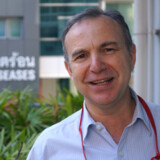
Bob Taylor is an Emeritus Consultant in Infectious Diseases for Oxford University NHS Trust, (ORCID 0000-0001-6236-0464) and currently works as a clinical researcher at the University of Oxford. He is a specialist in tropical medicine and also a visiting physician at Geneva University Hospital. His research focuses on conducting clinical trials on P. falciparum and P. vivax malaria, with a particular interest in the efficacy and safety of primaquine. He has been awarded numerous grants and, together with Dr Julie Nguyen Ngoc P, has obtained EDCTP funding for the DPP (Development of Paediatric Primaquine) and IMPRIMA (Implementation of Primaquine SLDPQ) projects.
Bob Taylor obtained his Doctor of Medicine at Guy's Hospital in London in 1981. He acquired extensive clinical experience in the United Kingdom, Zimbabwe, Swaziland (Eswatini), Hong Kong and the United States. His research career began in 1995, when he spent three years in Indonesia conducting clinical studies on malaria prophalyaxis and treatment. He then worked for eight years at the World Health Organization as part of the TDR programme, where he managed multicentre clinical trials of artemisinin-based combination therapies (ACT). This led to the WHO making its recommendation for ACTs as first-line treatments in the treatment of falciparum malaria and the prequalification of the ACTs – artemisinin-amodiaquine and artesunate-mefloquine.
Bob Taylor is currently a registered specialist in tropical diseases with the Medical Council of the United Kingdom and Switzerland.

Claude Fanambinantsoa Andrianaivoniaina
CNARP
Fanambinantsoa Claude Andrianaivoniaina is a computer scientist specialising in software development and database management. He holds a Higher Professional Studies Diploma (DESP) in Computer Science and works at CNARP as a clinical database manager. A former computer scientist at MESUPRES, he has expertise in programming, IT maintenance, system administration and networking.

Denis Niyomwungere
INSP
Denis Niyomwungere holds a Doctorate from the University of Burundi and a Masters in bioinformatics from the African Centre of Excellence in Bioinformatics in Mali. A specialist in malariology, Denis is dedicated to monitoring resistance in antimalarials at both the national and international level. He serves as a resource person for the National Malaria Control Programme and is involved in several research projects, including IMPRIMA, where he is project manager in Burundi and co-principal investigator. Denis currently works as a lecturer, researcher and head of data management at INSP, where he actively contributes to malaria research. He is also currently undertaking a PhD in clinical epidemiology at the University of Strasbourg, France.
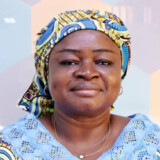
Denise Hien
GRAS
Denise Hien (ORCID 0000-0002-7073-6924) holds a Master's degree in Sociology and a Master's degree in Social and Cultural Anthropology. She is currently a PhD student in Health Sociology at Joseph Ki Zerbo University in Ouagadougou (Burkina Faso). She has been working as a sociologist with the Groupe de Recherche Action en Santé (GRAS) in Burkina Faso since 2018. As head of the institution's social sciences department, she plays a key role in conducting studies, mobilising and engaging communities. As part of the IMPRIMA programme, Denise Hien is responsible for the socio-anthropological studies on malaria and primaquine in Burkina Faso.
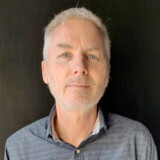
Didier Ménard
UNISTRA
Didier Ménard, pharmacist and Doctor of Science (ORCID 0000-0003-1357-4495), has dedicated his career to the study of malaria and antimalarial resistance. After heading several units in the international network of Pasteur Institutes in New Caledonia, Central African Republic, Madagascar and Cambodia, he became a professor at the University of Strasbourg and a visiting researcher at the Pasteur Institute in Paris. His research has revealed key mechanisms of Plasmodium falciparum resistance in antimalarial drugs. He has received several prestigious awards and authored more than 230 publications. Didier serves as the Principal Investigator and Coordinator of the IMPRIMA project for UNISTRA.

Emmanuelle Caspar
UNISTRA
Emmanuelle Caspar (ORCID 009-0006-5823-2922) joined the IMPRIMA project coordination team in May 2023 as Project Manager. A research engineer with degrees in Infectiology and Project Management, she is part of the Malaria Genetics & Resistance team (Research Unit 3073) at the Institute of Bacteriology and Parasitology of the Faculty of Medicine of Strasbourg. Her work focuses on public health and applied research, with a particular emphasis on studying and monitoring the emergence of Plasmodium falciparum resistance to antimalarial drugs. She provides cross-functional support to partners in administrative, technical and financial matters, and acts as liaison between the consortium and funders – GH EDCTP3 JU.

Fabrice Ruiz
ClinSearch
Fabrice Ruiz is the CEO of ClinSearch, a Clinical Research Organization he co-founded in 1999. ClinSearch conducts clinical and epidemiological studies but also develops its own R&D programmes for the analysis of large databases and the modeling of multidimensional concepts. He is also the CEO of Imisca Therapeutics, a start-up founded in 2020 for developing a new treatment in immune-oncology.
From an academic point of view, Fabrice is a member of the board of Ecole de Biologie Industrielle. He is an active member of EuPFI (European Paediatric Formulation Initiative) and is also a member of various expert groups such as Smart Health Strategic Value Chain (European Commission), Health Technology Assessment (Conect4children) and Formulation (Conect4children), and the R2G group of the Assistance Publique des Hôpitaux de Paris which conducts research on galenic and geriatric therapeutic issues.

Héléna Prado
UNISTRA
Helena Prado is a social and cultural anthropologist at the École des Hautes Études en Sciences Sociales (EHESS). Helena Prado (ORCID 0000-0002-0270-2167) is also a senior lecturer in anthropology at the University of Strasbourg (Institute of Ethnology, Faculty of Social Sciences/Interdisciplinary Laboratory for Cultural Studies), where she teaches in the departments of social sciences and health studies. Since 2017, she has been conducting research in health anthropology, particularly on representations of body, reproductive and sexual life, and the social management of vector-borne diseases (Zika, malaria).
Photo : Catherine Schröder/University of Strasbourg

Jackie Andriarison
CNARP
Jackie Andriarison N. holds a degree in Communication and Media from the Faculty of Arts and Humanities in Antananarivo. Passionate about communication, she also trained in economic journalism and organisational communication, and recently obtained a certificate in Community Management. She holds the position of communications manager at the National Centre for the Application of Pharmaceutical Research (CNARP).

Jean-Baptiste Bibié Yaro
GRAS
Jean-Baptiste Bibié Yaro (ORCID 0009-0009-5503-4316) holds a Doctorate in Medicine from the University of Ouagadougou (Burkina Faso), a Master's degree in Clinical Research from the Medical University of Vienna (Austria) and a Doctorate in Epidemiology of Biomedical Sciences from the University of Durham (United Kingdom). His research has contributed to furthering understanding of risk factors, transmission and impact of malaria control tools in children and pregnant women in Burkina Faso. His doctoral research was part of the MIRA project, which studied the impacts of insecticide resistance on current malaria control tools in Burkina Faso. This research led to additional interventions needed to improve malaria control, such as Seasonal Malaria Chemoprevention (SMC) and improving household living conditions. Jean-Baptiste has participated in several clinical trials for the development of malaria drugs (phases I to IV) and vaccines (phases I and IIb). The results of his previous research on SSP in children have been used by the WHO in its SSP recommendations. This research has been continued and extended to older children as part of the INDIE-SMC project to assess the direct and indirect impact on community malaria transmission. He is Co-Investigator for the implementation and impact assessment of the reduction of community transmission of malaria with low-dose primaquine recommended by the WHO in patients with uncomplicated Plasmodium falciparum malaria in Burkina Faso, Burundi and Madagascar.

Jérôme Rurihafi
INSP Burundi
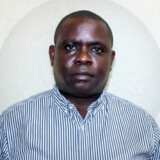
Joseph Nyandwi
INSP
Joseph Nyandwi is Associate Professor of Nephrology at the University of Burundi and Director General of the National Institute of Public Health of Burundi. He obtained his PhD in Nephrology from the University of Burundi and also holds an MSc in Immunology and Regenerative Medicine from Mansoura University in Egypt and a Master's degree in Public Health from Aix Marseille University in France. His expertise is recognised internationally, and he is an active member of the International Society of Nephrology, the African Association of Nephrology, the Board of Directors of the Eastern African Health Research Commission and several regional and international health expert working groups. Joseph is also Chairman of the National Ethics Committee and the National Commission for Science, Technology and Innovation in Burundi. Joseph is the author and co-author of several articles on communicable and non-communicable diseases and other public health topics. He is currently the Principal Investigator for research projects funded by EDCTP (IMPRIMA project and others), USAID, ENABEL, amongst others.

Julie Nguyen Ngoc Pouplin
ReMeD
Julie Nguyen N. P. (ORCID 0000-0002-0726-4119) holds a Doctorate in Pharmacy and Science from the Faculty of Pharmacy at Louis Pasteur University in Strasbourg (France). Specialising in industrial pharmacy, infectious and tropical diseases, and molecular pharmacological modelling, she completed her D.E.A. (Master's degree) and PhD at the National Museum of Natural History in Paris in Chemistry and Activity of Natural Substances. Her thesis focused on anti-malarial plants in Vietnam. As part of her research, Julie lived in Vietnam for four years, establishing and leading the Clinical Pharmacology Laboratory of the Oxford University Clinical Research Unit in Ho Chi Minh City. Specialising in pharmacokinetic studies, Julie obtained a Master's degree in clinical research from the University of Oxford in the United Kingdom in 2012. She then lived in Bangkok, Thailand for eight years, where she initiated the development of the clinical quality system for the MORU Clinical Trials Department. Upon her return to France, Julie joined the ReMeD as a Project Manager on the DPP and IMPRIMA projects, working with Prof Bob Taylor.

Lovasoa Rasoanandrasana
CNARP
Lovasoa Rasoanandrasana is a specialist in financial management and health logistics. She is currently responsible for general affairs and logistics at the National Centre for Pharmaceutical Research Applications (CNARP).
Mamy Jean Jacques Razafimahatratra
INSP Madagascar
Mamy Jean Jacques Razafimahatratra, PhD (ORCID 0000-0002-7238_5179), is a specialist in public health and a socio-anthropologist with extensive field research experience in health and health anthropology. He is currently head of the research division at the National Institute of Public and Community Health (INSP) in Antananarivo, Madagascar.
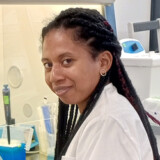
Maximilienne Kialozafy
CNARP
Maximilienne Kialozafy is a biologist specialising in biochemistry, biodiversity and health. She is particularly interested in infectious and parasitic diseases and currently works at the National Centrefor Pharmaceutical Research Applications (CNARP) as a biologist in the clinical trials department andon the IMPRIMA project.
Oméga Raobela
PNLP Madagascar
Omega Raobela holds a Specialised Master's degree in Health Sciences, with a focus on Public Health, and a FETP-SEGA ONE HEALTH qualification. She works for the National Malaria Control Programme (PNLP) as programme manager. Since 2011, she has been involved in clinical research on malaria as an investigator.
Palm Thanawat
TropMedres

Pascal Millet
ReMeD
Pascal Millet (PhD, HDR) holds a Doctorate in Science from Pierre and Marie Curie University in Paris VI (France). After completing his doctorate, Pascal worked in Atlanta (GA, USA) at the Centres for Disease Control (CDC) as a research assistant, head of the reference centre for imported malaria and as an assistant professor at Emory University. He then travelled to Gabon where he served as director of research at the International Medical Research Centre in Franceville (CIRMF). Upon his return to France, Pascal workd with Pierre Fabre Médicament as a malaria project manager. He also founded the Technology Transfer Office at the University of Bordeaux. He then served as Director for the Aquitaine Regional Business Incubator and was appointed senior lecturer and hospital practitioner at the University/University Hospital of Bordeaux. As part of his academic activities, he was seconded to the University of Health Sciences in Phnom Penh (Cambodia) as an advisor to the rector, joining the Chembiopharm team (INSERM Unit 1212 – CNRS Unit 5320) in Bordeaux. Pascal Millet has conducted extensive research on parasitic diseases, particularly malaria. He has been part of vaccine trials on primates, established epidemiological study sites, and led research on malaria, filariasis and trypanosomiasis in Gabon. At the University of Bordeaux, Pascal devoted his work to innovative therapies, contributing to the development of strategies for controlling neglected tropical diseases. He initiated the development of the antimalarial drug artesunate-amodiaquine (ASAQ®), marketed by SANOFI. He is the author and co-author of more than 130 scientific publications in peer reviewed international journals.
Pierre Ndizeyimana
INSP Burundi
Pierre Sinarinzi
PNLP Burundi

Rianasoambolanoro Rakotosaona
CNARP
Rianasoambolanoro Rakotosaona, PhD, HDR (ORCID 0000-0003-4310-8065), is the director of the National Centre for Pharmaceutical Research Applications (CNARP). A senior lecturer at the École Supérieure Polytechnique of the University of Antananarivo, Rianasoambolanoro specialises in medicinal chemistry.

Rosine Kabore
GRAS
Rosine Sidnoma Kabore is the communications officer for the Groupe de Recherche Action en Santé (GRAS). With a bachelor's degree in communication for development and a master's degree in international cooperation and humanitarian aid, she has built a rich and varied career working with vulnerable communities, humanitarian organisations and national institutions. Her experience as a multimedia journalist, combined with her role as communications officer and project coordinator in the community development sector, has helped to strengthen her expertise in institutional and humanitarian communications, particularly through the development of national awareness raising strategies for the fight against HIV/AIDS. Rosine has completed numerous strategic training courses in advocacy and leadership (YALI Dakar), as well as in digital marketing and fundraising techniques. She stands out for her versatility and analytical skills. Her career path demonstrates a deep motivation to contribute to development through communication for behavioural change.

Sheila Varadan
Université de Leiden
Sheila Varadan (ORCID 0000-0002-4610-5735) is an assistant professor in Children's Rights and Global Health in a joint appointment between the Department of Health and Children's Rights at Leiden Law School and the Leiden Centre for African Studies (ASCL). She is a founding member of the Leiden University Network for Health in Africa (LUNHA), an interdisciplinary research centre focusing on equity and justice in global health. She is also a teaching fellow at the University of Oxford, where she has been teaching on the MSc in International Health Sciences and Tropical Medicine since 2020.

Sodiomon Sirima
GRAS
Sodiomon B. Sirima is Senior Researcher and Managing Director of Groupe de Recherche Action en Santé (GRAS), a private health research institute established in 2008. Sodiomon is accredited by the Ministry of Science and Technology of Burkina Faso and is actively working in partnership with the Ministry of Health. Over the past 25 years, Sodiomon has led several clinical studies and research activities on the implementation of treatments for infectious diseases, particularly malaria. Sodiomon has authored over 170 peer-reviewed scientific publications, and is a leading researcher and expert in the field of malaria, both nationally and internationally. His current research focuses on the clinical evaluation of new tools for combating infectious diseases (such as vaccine candidates and drugs) as well as epidemiological studies.

Thibault Vallet
ClinSearch
Thibault Vallet, PhD, is a research scientist and project leader at ClinSearch. He is the co-inventor of CAST – ClinSearch Acceptability Score Test®, a novel data driven approach facilitating medicine design for optimal acceptability in vulnerable populations. CAST is used as part of this EDCTP project aiming to develop a paediatric primaquine formulation. Thibault holds a MSc in sensory science from the University of Lyon, and after working to prevent criminal misuse of psychoactive drugs for the French medicines agency, he joined ClinSearch and started his PhD on medicine acceptability at Arts et Métiers ParisTech in 2014. Seven years later, this innovative research project received a number of prizes and honours, inter alia, from the French Academy of Pharmaceutical Sciences, the French Sensory Science Society and the European Paediatric Formulation Initiative (EuPFI) consortium. As research scientist and project leader at ClinSearch, Thibault coordinates international research projects, and supports pharmaceutical companies in designing and conducting clinical trials and RWE studies in order to demonstrate the acceptability of their medications and meet regulatory requirements. Today, Thibault is analysing meta-data from Japan, India, Norway, Germany, Morocco, and elsewhere. This represents a fresh opportunity to employ CAST to better understand the influence of these different cultures on medicines acceptability.

Tovonahary Angelo Rakotomanga
CNARP
Tovonahary Angelo Rakotomanga is a biologist specialising in clinical research and laboratory diagnostics who works for the Madagascan Ministry of Public Health. A WHO-certified expert in malaria microscopy, he has extensive experience in molecular analysis, particularly in relation to malaria.
Passionate about research, he is committed to improving the quality of biological analyses, which is why he joined the IMPRIMA project.
Valérie Bisson
ReMeD